
Cardiff Met wins £176,000 to build AI hygiene monitoring for Welsh kitchens
Cardiff Metropolitan University has secured £176,738 to test whether artificial intelligence can raise food hygiene standards in commercial kitchens and in the home. The Smart Hygiene Intelligence project is led by Dr Issam Damaj of Cardiff School of Technologies and funded by Behavioural Research UK through its Commissioning Fund.
Key points
- The award runs for 18 months from March 2026 under the fund's theme on the use of AI in behavioural research.
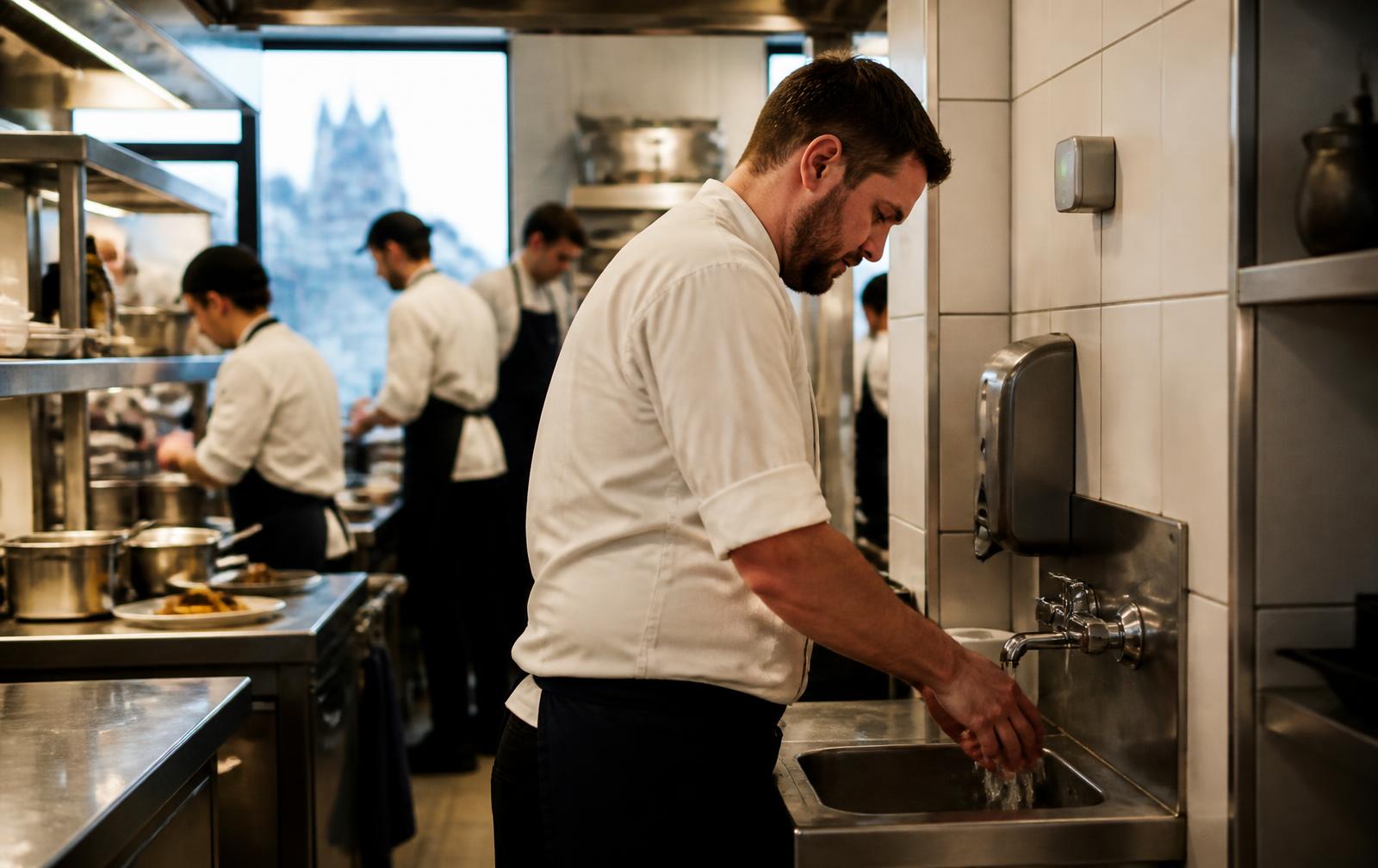
- The work pairs behavioural science with small low cost sensors built into kitchen and food preparation environments, recognising actions such as handwashing, drying and surface cleaning.
- Cardiff Met is drawing on its Centre for Engineering Research on Intelligent Sensors and Systems, with Professor Elizabeth Redmond and Dr Ellen Evans from the ZERO2FIVE Food Industry Centre.
- Cardiff Metropolitan University sits at the centre of the story, which concerns the Smart Hygiene Intelligence project.
What's happening
The team argues that existing methods, from manual checks to camera based monitoring, are costly, intrusive or impractical at scale, so the design brief is affordable and privacy conscious rather than surveillance led. Tools will be co-designed with end users through workshops, trials and behavioural studies, and tested for how they sit alongside existing food safety management systems instead of replacing them.
Poor handwashing and cleaning habits remain a leading cause of foodborne illness, a cost the project team puts in the billions of pounds a year across the UK.
On the detail released so far, Cardiff Metropolitan University is the named party, £176,000 is the figure disclosed, the activity sits in South Wales.
In their words
“Food safety depends not only on knowledge and regulations, but also on everyday human behaviour. This project will explore how behavioural science and AI can work together to deliver practical solutions.”
Why it matters in Wales
For South Wales the substance of the Smart Hygiene Intelligence project sits in research and commercialisation, where Welsh research strength is genuine but it leaks, and the point of failure is normally the step between a published result and a company registered in Wales.
£176,000 is the figure attached to the Smart Hygiene Intelligence project, which gives South Wales something measurable to hold this against. The useful question is where that money lands: Welsh suppliers, Welsh salaries and organisations outside the largest urban centres, or spending that leaves as quickly as it arrives.
Cardiff Metropolitan University carries the delivery risk on this one. Capability in South Wales concentrates around a small number of institutions and anchor employers, so what Cardiff Metropolitan University does after the Smart Hygiene Intelligence project shapes where the related skills and suppliers settle.
Welsh research strength is real and concentrated. The recurring weakness is commercial translation, and the Smart Hygiene Intelligence project matters only if the result stays and becomes a Welsh company rather than leaving for a larger cluster.
What we're watching
- •Delivery updates published by Cardiff Metropolitan University on the Smart Hygiene Intelligence project.
- •What Cardiff Met confirms about its own role and contribution.
- •Published terms, eligibility and reported results for the Commissioning Fund.
- •How the £176,000 is allocated, and to which recipients.
- •Whether the £176,738 figure is confirmed in published accounts.
- •Whether the milestone set from March 2026 is met on time.
Original source: Cardiff Metropolitan University · 19 August 2026